




Advancing Tanzania’s Information Systems Interoperability Agenda
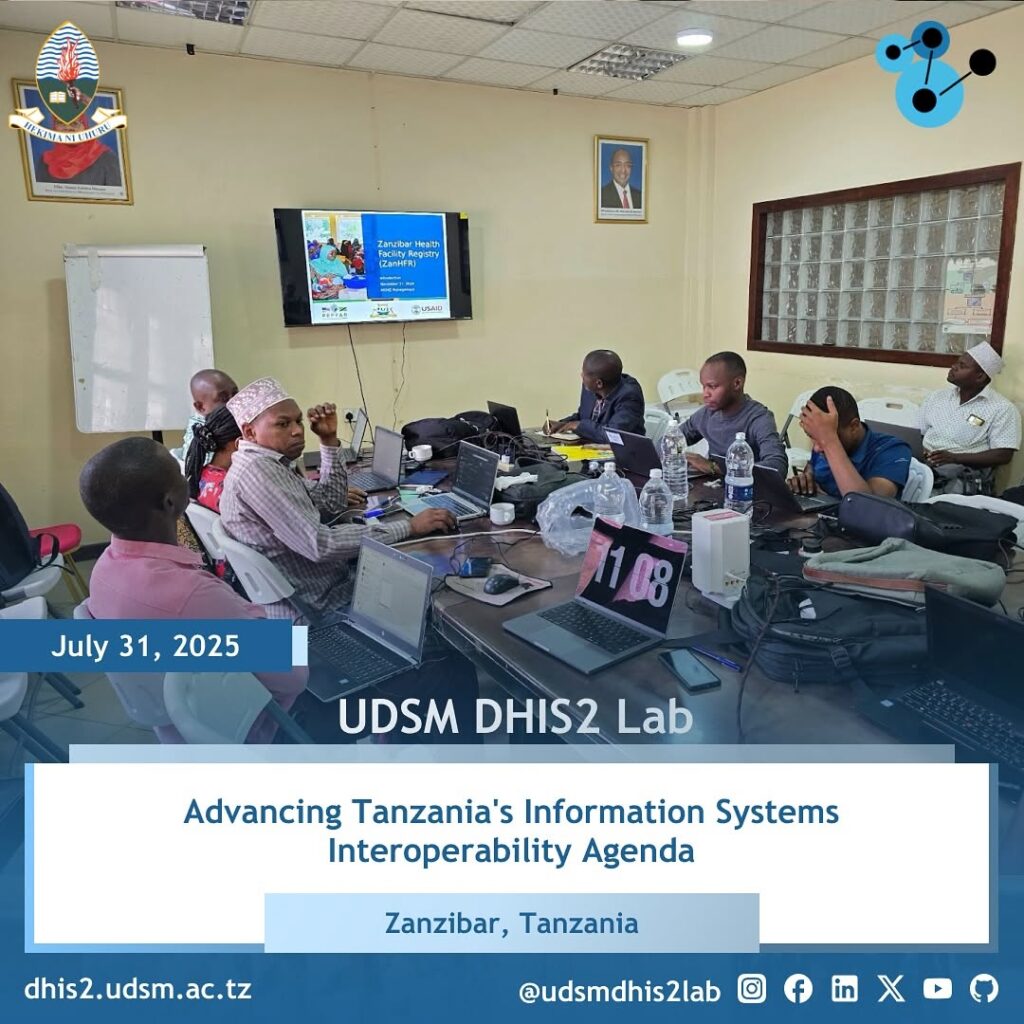
Tanzania is advancing systems integration by chaneling data from vertical program systems into the national HMIS (ZHMIS) through the Zanzibar Health Information Layer. The objective is reliable, production-ready exchange that strengthens routine reporting and supports timely, evidence-based decisions. Led by the Ministry of Health Zanzibar and the UDSM DHIS2 Lab with other stakeholders collaborating the […]
From California to Tanzania: A 6-Week Journey in Digital Health Research
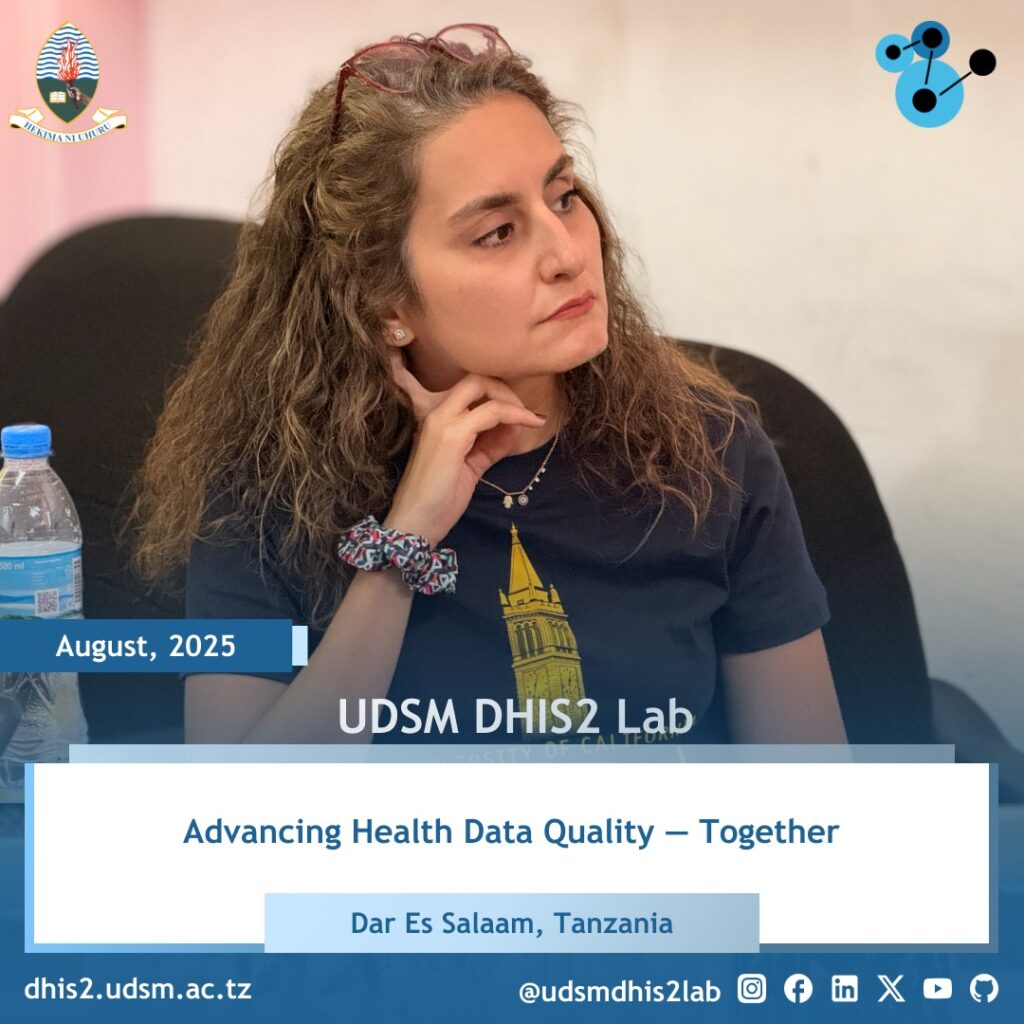
It was a great privilege to host Prof. Sadaf Ashtari from California State University, USA, for a 6-week research stay at the UDSM DHIS2 Lab. Her work on Data Quality Assessment in DHIS2 Systems: A Case Study in Tanzania provided an invaluable opportunity to exchange expertise, […]
Boosting Health Data Reliability for Informed Decisions
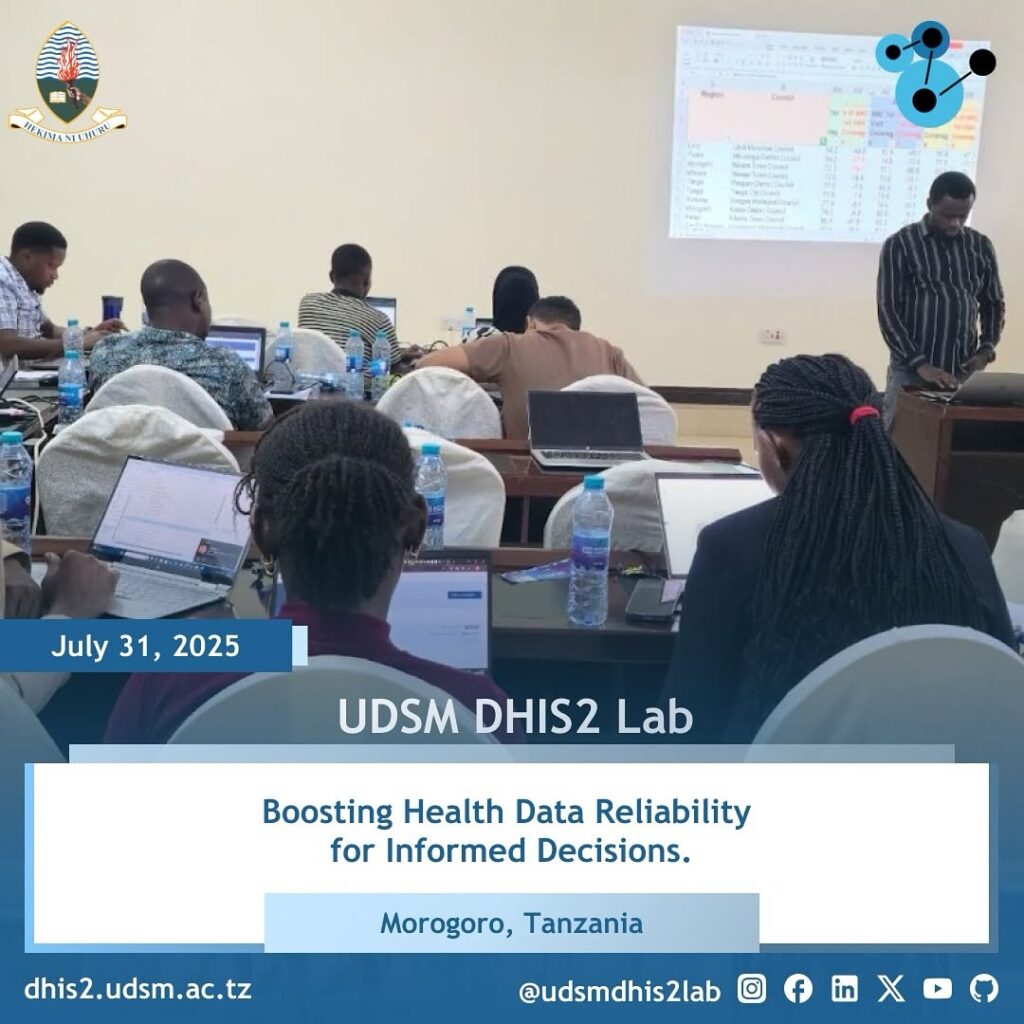
Accurate population data is essential for effective health sector planning and monitoring. In Tanzania, the recent working session brought together the Ministry of Health, National Bureau of Statistics, UDSM DHIS2 Lab, HISP Tanzania, and partners to align the DHIS2 Health Management Information System (HMIS) with the latest 2022 census-based population projections. This update replaces the […]
Improving Malaria Data Visibility to Drive Better Outcomes
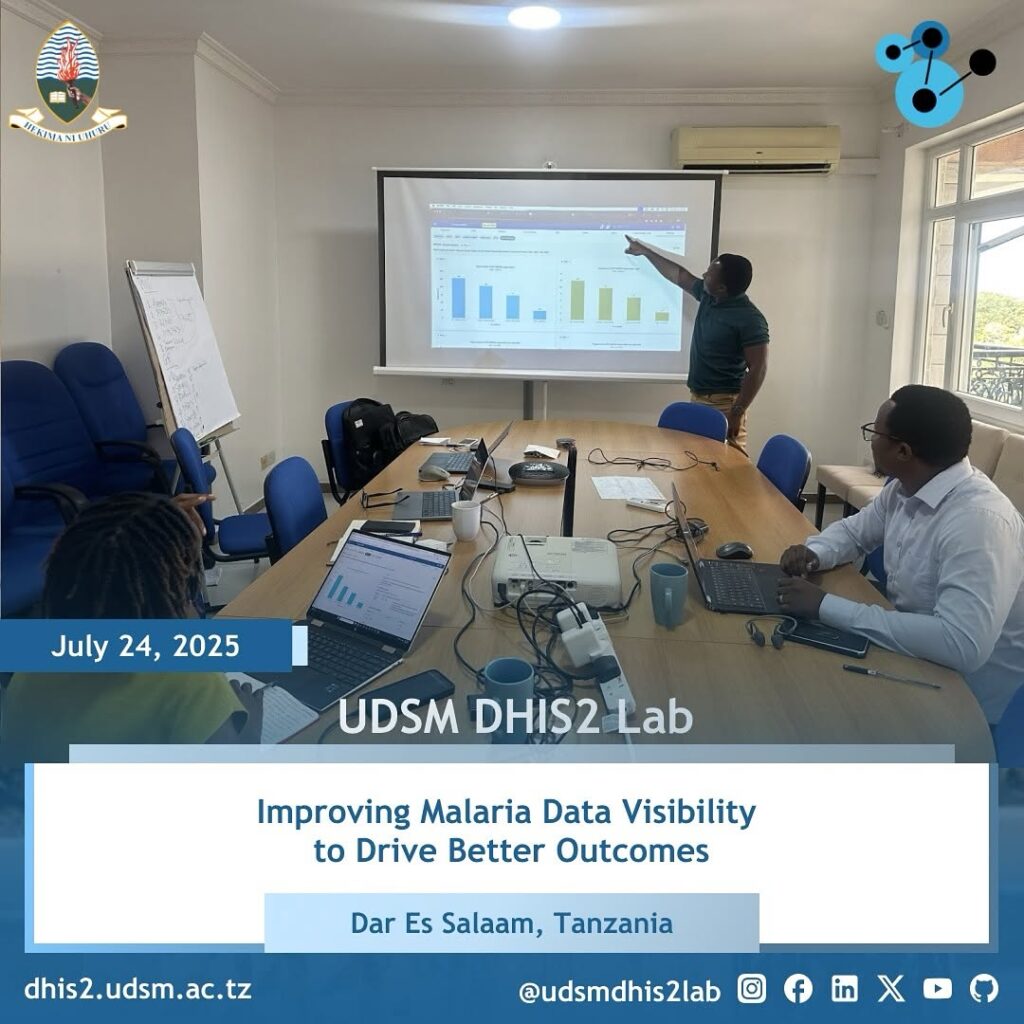
Quality and well-analysed data remain essential for monitoring malaria cases, deaths, and other relevant indicators to understand the disease burden, identify high-risk areas, and evaluate the effectiveness of interventions and services as countries intensify their efforts toward malaria elimination. In collaboration with Swiss TPH, we conducted a focused dashboard review session at the Swiss TPH […]
Unified Early Childhood Scorecard National Dashboard Integration
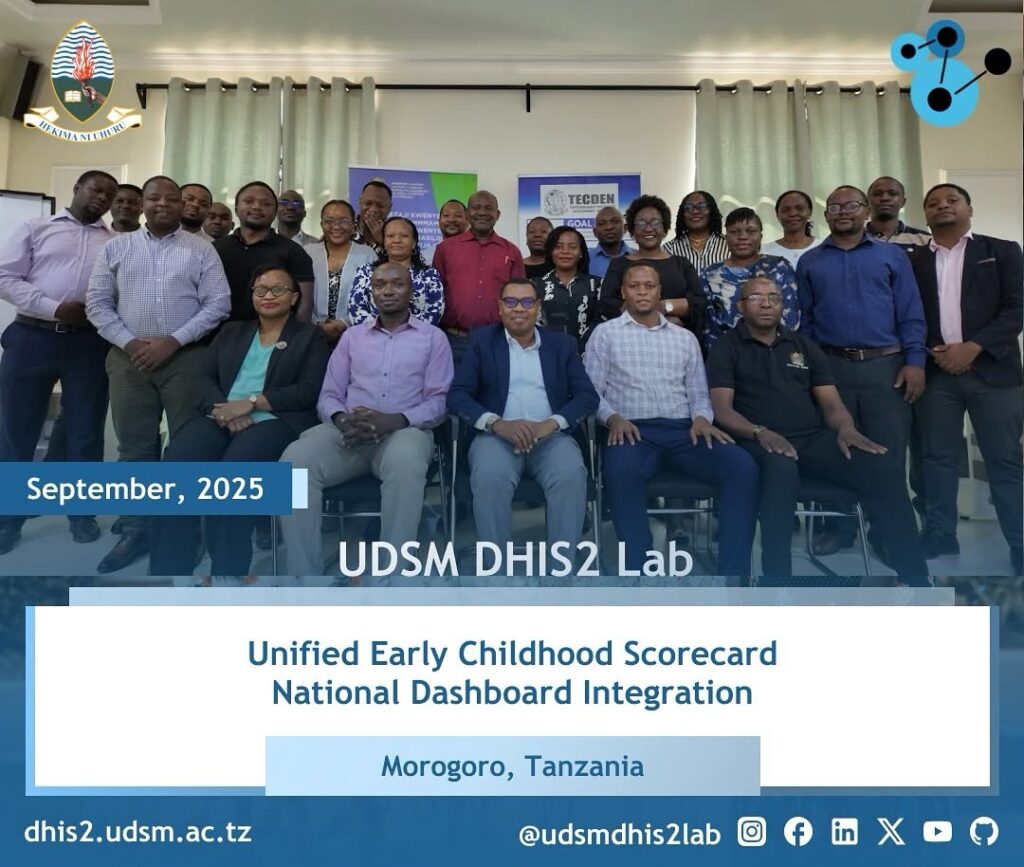
As countries work toward smarter, child-centered governance, integrating multi-sector data into a unified decision stream is no longer optional; it’s essential. The goal is clear: timely, reliable insights on early childhood development (ECD) that enable leaders to act early and allocate resources where they matter most. Over a focused, week-long technical sprint, government teams and […]
Building Tanzania’s Unified Health Situation Room
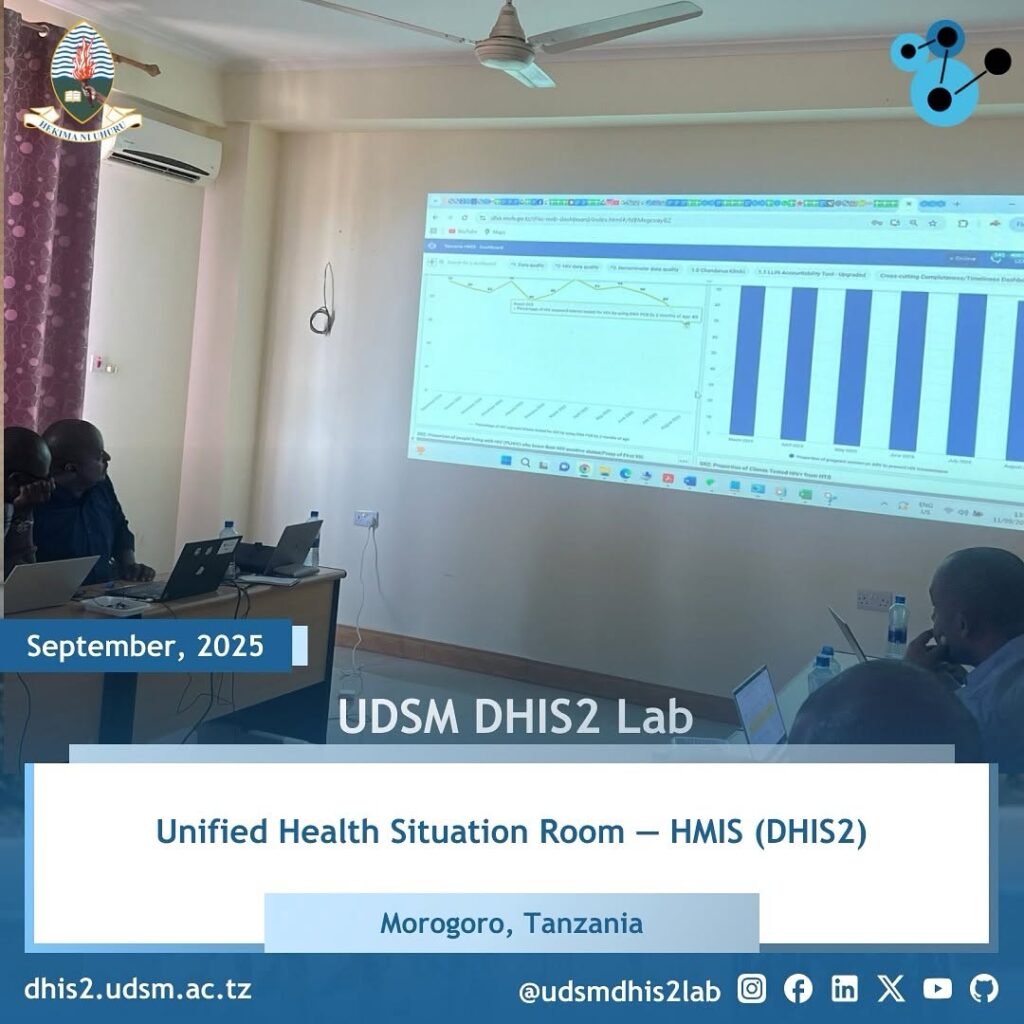
Tanzania is establishing a unified Health Situation Room (SR) where DHIS2, iMES, and GOTHOMIS systems work together to power weekly, data-driven decision reviews. The initiative aims to make routine health data more actionable, timely, and reliable for leaders at all levels. From 8–12 September 2025 in Morogoro, national stakeholders, including PORALG, the University of Dar […]
Streamlining Malaria Case-Notification and Investigation
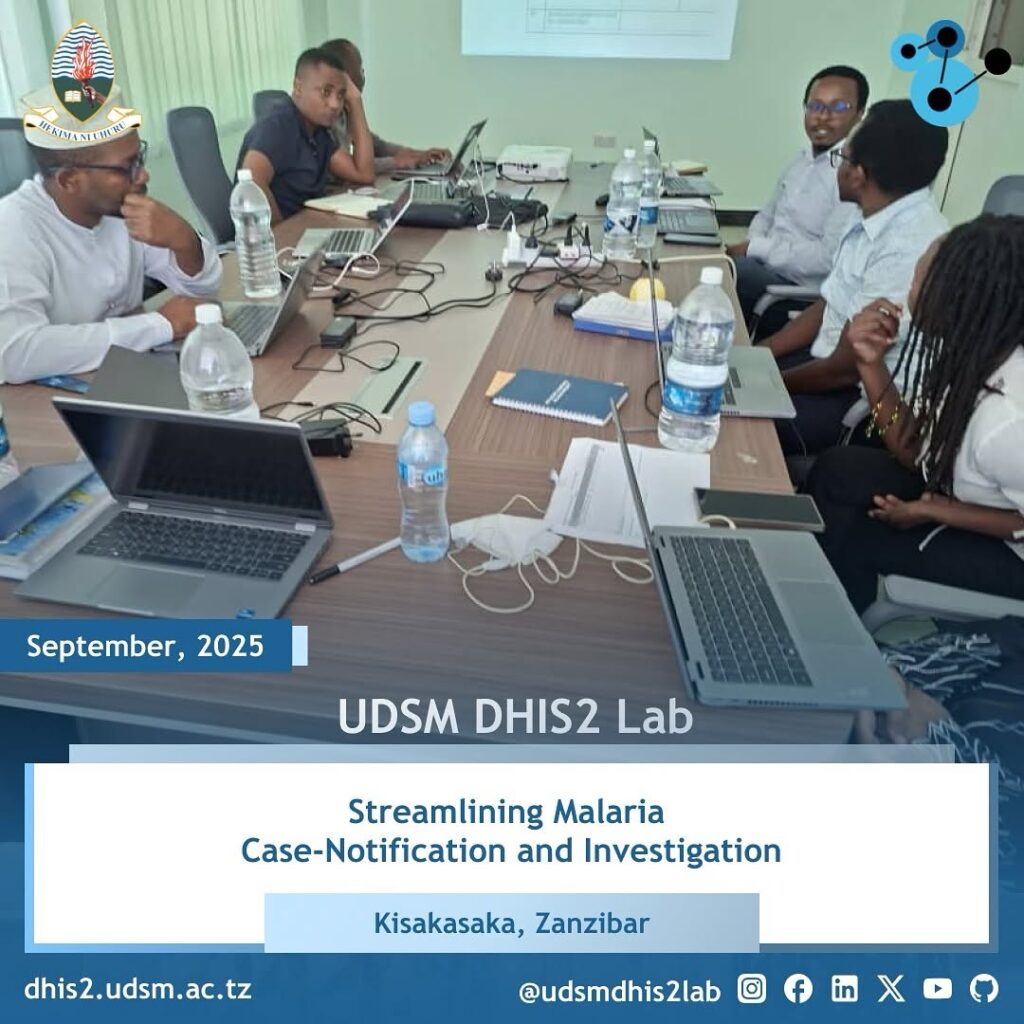
Tanzania is upgrading malaria surveillance by streamlining case-notification and investigation forms and shifting key steps to automated eIDSR workflows, ensuring alerts move faster and data remain clean and actionable. Objective: Align program, data, and technology teams on what to standardize and what to keep clinician-driven, improving the timeliness, completeness, and accuracy of malaria reporting. Key […]
Accelerating Disease Surveillance through EMR–eIDSR Integration in Zanzibar
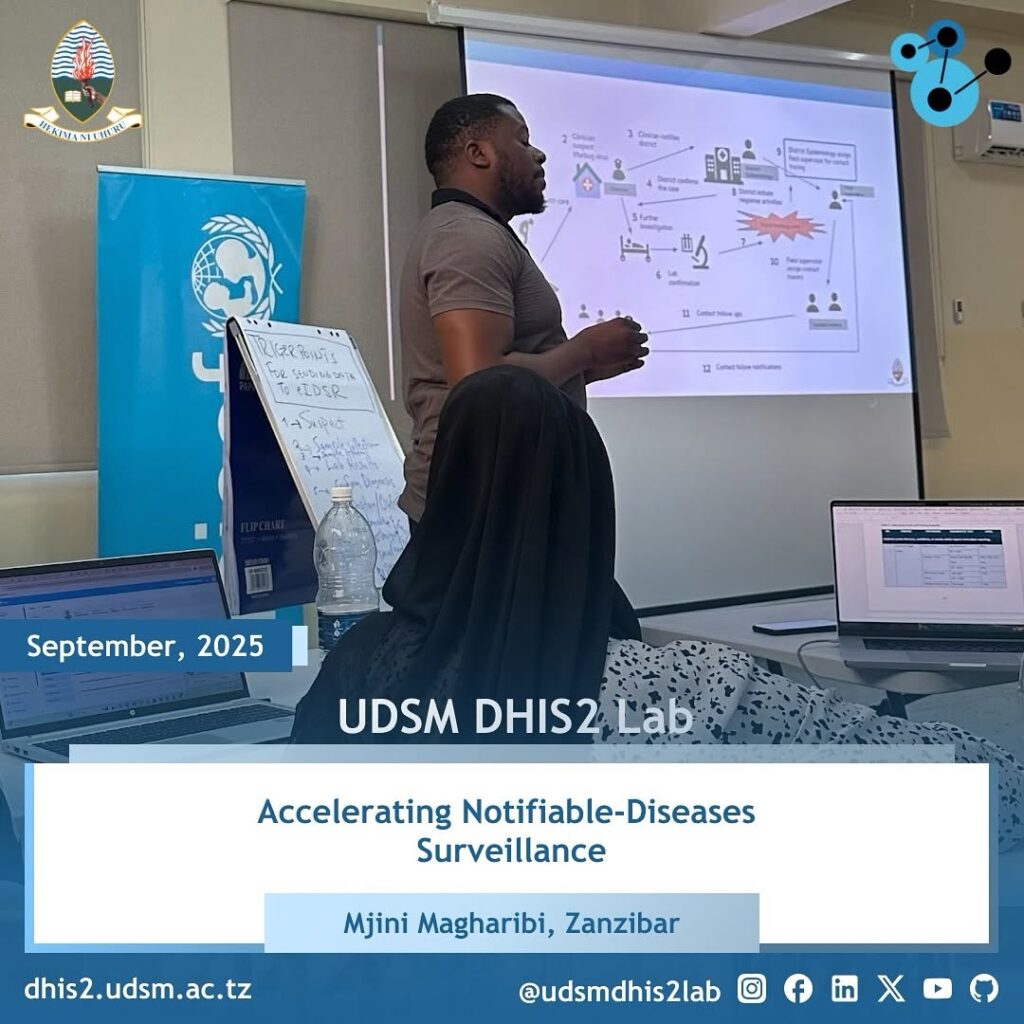
Zanzibar is accelerating notifiable-disease surveillance by linking Electronic Medical Records (EMRs) to the electronic Integrated Disease Surveillance and Response (eIDSR) system through ZHIL, transforming immediate alerts and weekly summaries from manual entry to automated, real-time reporting. This shift enables faster detection, cleaner data, and more timely action. Objective: Establish a seamless, standards-based data exchange that […]
Bridging TB and HIV Data Silos: Strengthening Interoperability for Smarter Health Decisions
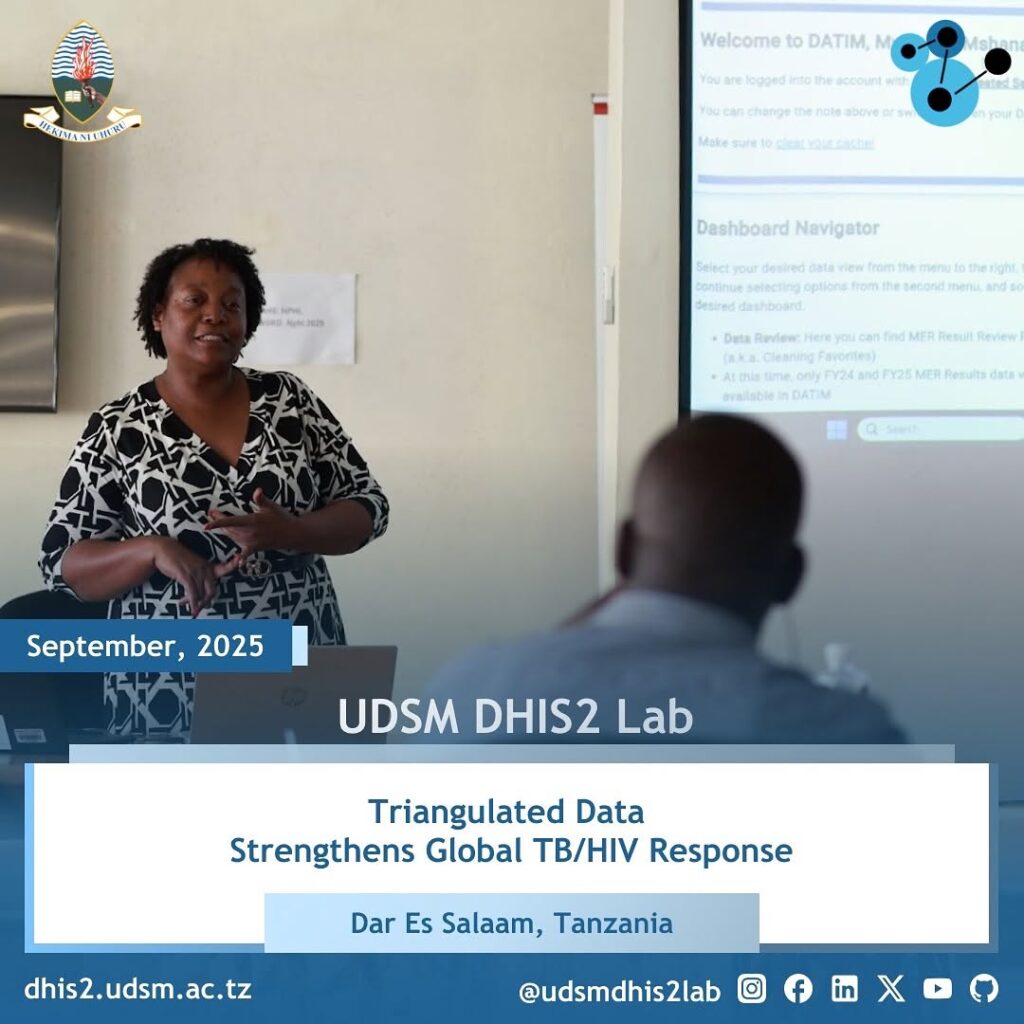
Around the world, countries are closing the gap between TB and HIV data silos so decisions rest on the same, verified numbers. In 2023 an estimated 10.8 million people fell ill with TB and 1.25 million died. TB likely returned as the top infectious killer. Meanwhile, by the end of 2024 there were 40.8 million […]
Sharpening Health Data Accuracy through Census-Aligned Denominators
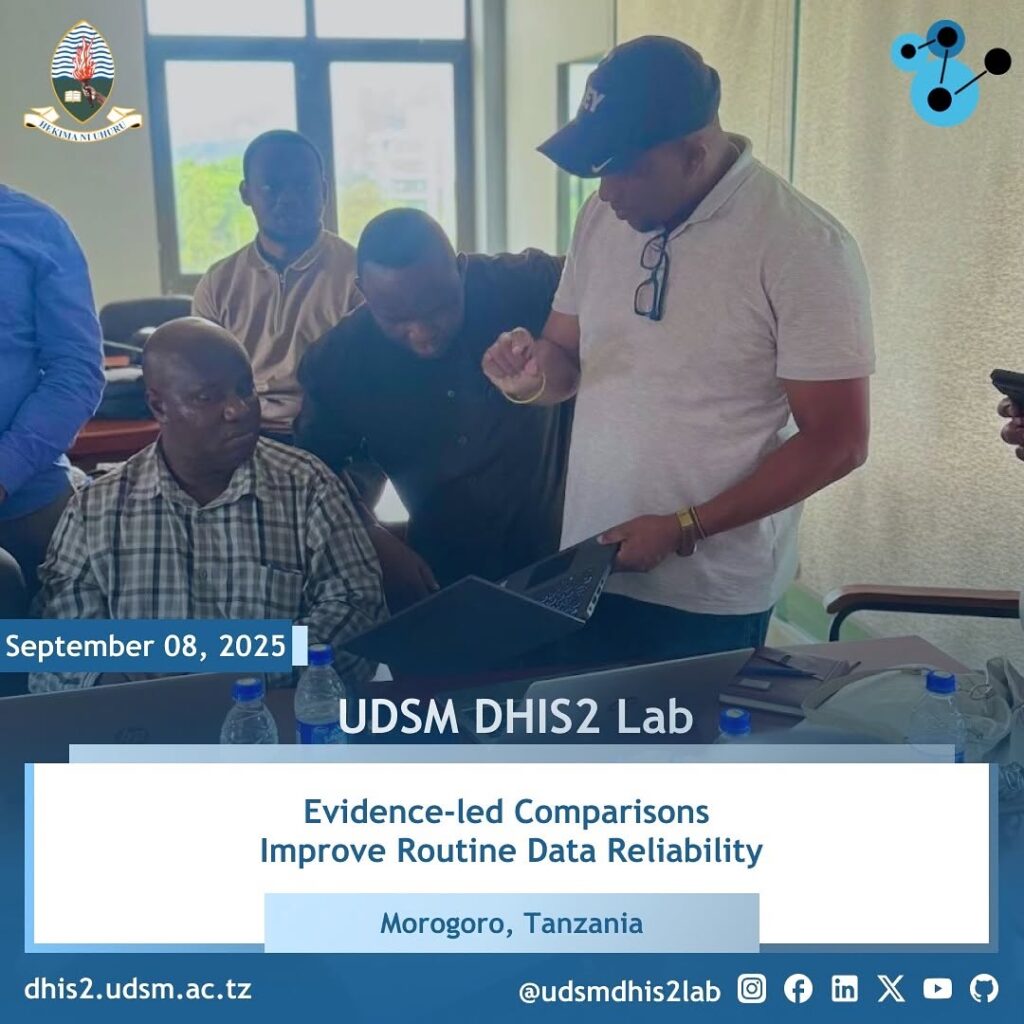
Tanzania is improving the accuracy and reliability of health coverage data by aligning national health system denominators with the 2022 Population and Housing Census. This ensures that reported coverage from facilities to national dashboards reflects the real population landscape. From 8–10 September 2025 in Morogoro, stakeholders convened to compare 2012- and 2022-based population projections and […]