




Empowering Childhood Growth Through Data Innovation
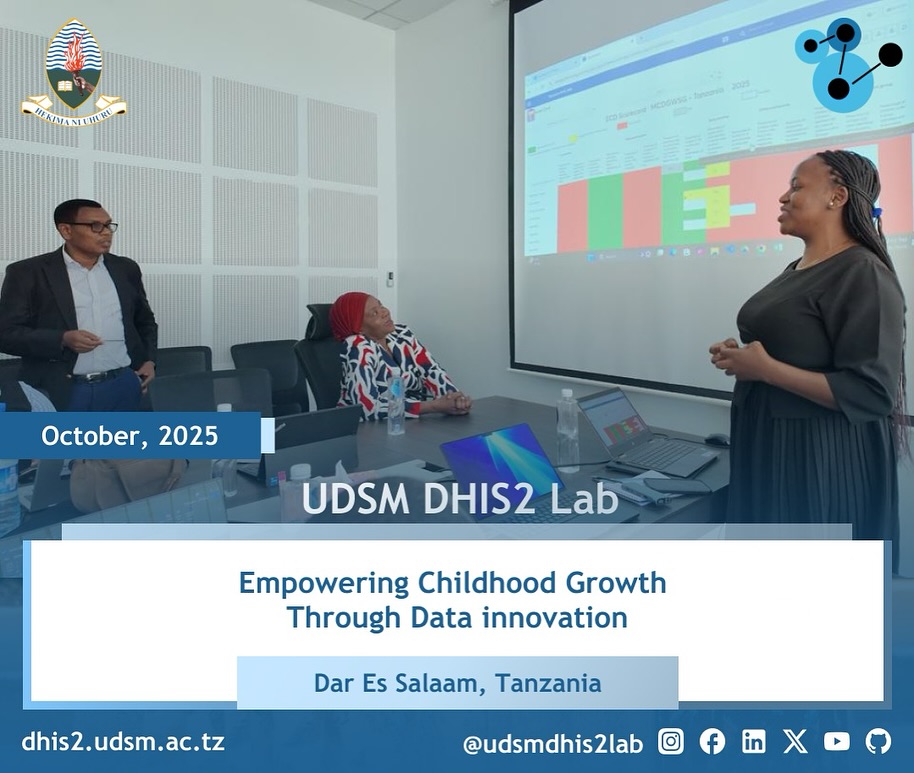
Tanzania is taking a decisive step toward child-centred governance. The UDSM DHIS2 Lab is proud to announce the successful completion of a groundbreaking multisectoral ECD scorecard, aligned with the WHO Nurturing Care Framework. As technical consultants, the UDSM DHIS2 Lab collaborated closely with the Ministry of Community Development, Gender, Women, and Special Groups (MCDGWSG) and […]
Artificial Intelligence for Disease Modeling
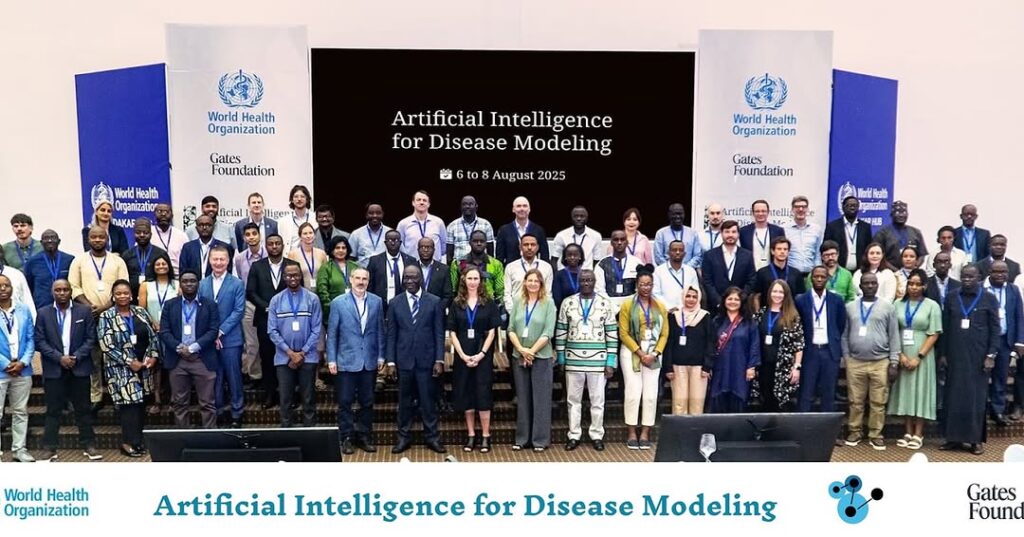
Africa is advancing AI-driven disease modelling by aligning innovators, public-health leaders, and funders around decision-ready use cases. At WHO Hub in Dakar (6-8 August 2025), the focus was turning promising AI methods into trustworthy tools for burden-of-disease estimation and infectious-disease surveillance, while lowering the barrier to modelling across low and middle income settings. Led by […]
Spot, Report, Respond.
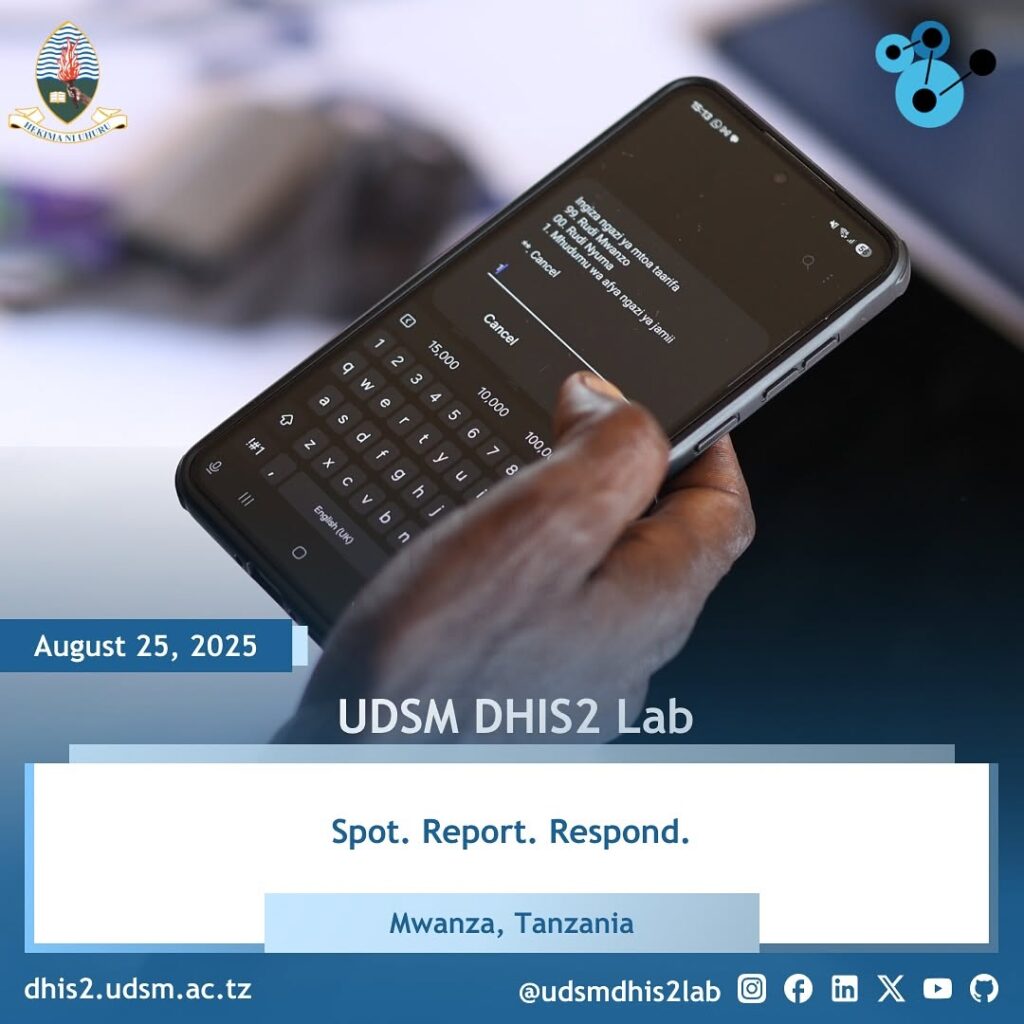
As Tanzania strengthens epidemic preparedness, timely community alerts and strong data systems are key to finding outbreaks early and acting fast. The Ministry of Health through Epidemiology & Disease Control with support from WHO, is rolling out targeted training to equip Community Health Workers (CHWs) to recognize health-threat “rumors” and report them through the national […]
Advancing Tanzania’s Information Systems Interoperability Agenda
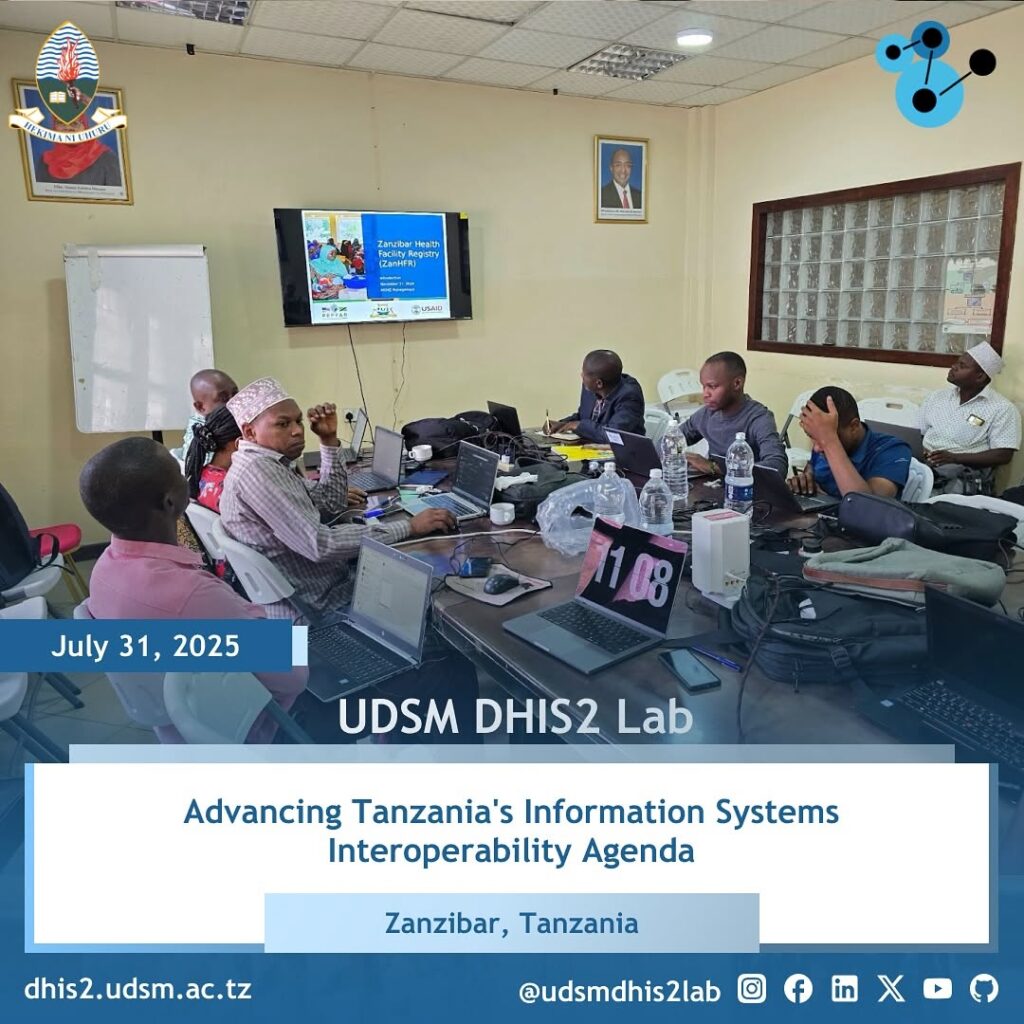
Tanzania is advancing systems integration by chaneling data from vertical program systems into the national HMIS (ZHMIS) through the Zanzibar Health Information Layer. The objective is reliable, production-ready exchange that strengthens routine reporting and supports timely, evidence-based decisions. Led by the Ministry of Health Zanzibar and the UDSM DHIS2 Lab with other stakeholders collaborating the […]
From California to Tanzania: A 6-Week Journey in Digital Health Research
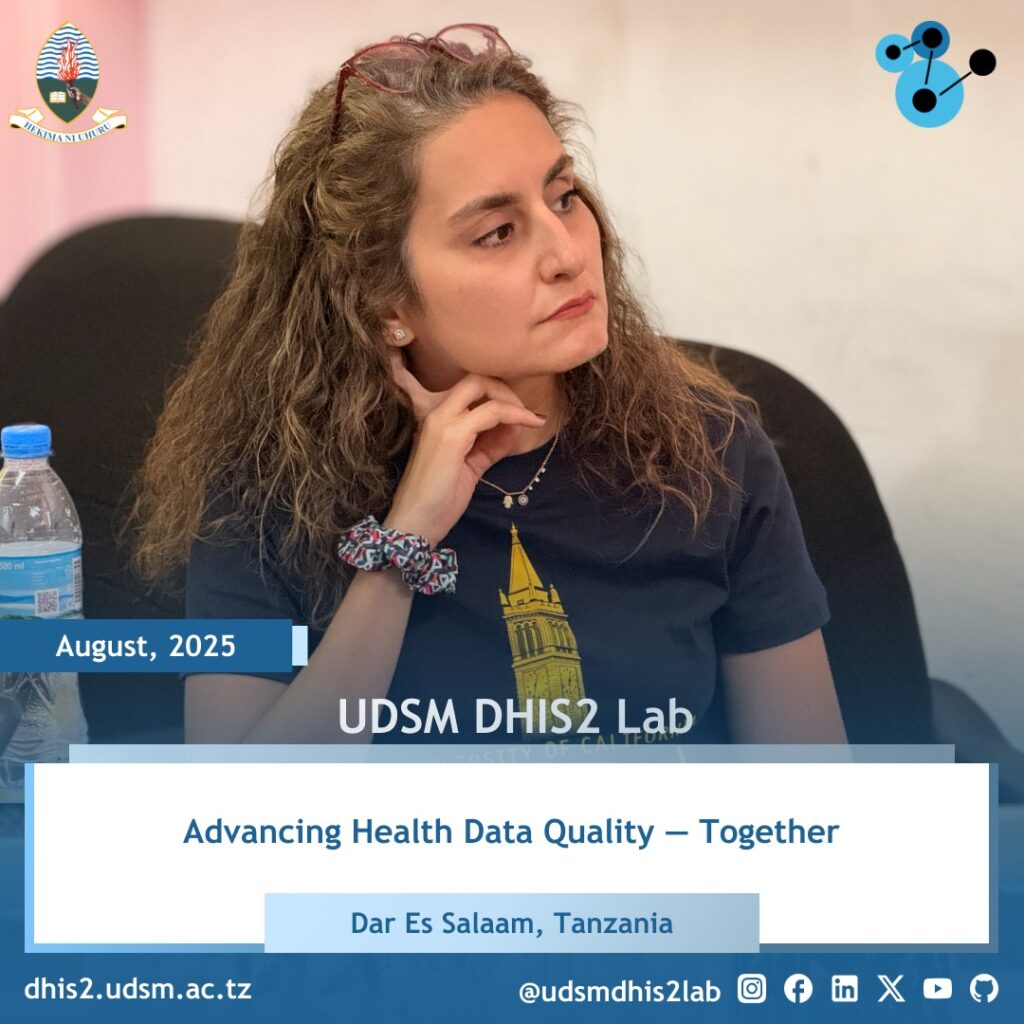
It was a great privilege to host Prof. Sadaf Ashtari from California State University, USA, for a 6-week research stay at the UDSM DHIS2 Lab. Her work on Data Quality Assessment in DHIS2 Systems: A Case Study in Tanzania provided an invaluable opportunity to exchange expertise, […]
Boosting Health Data Reliability for Informed Decisions
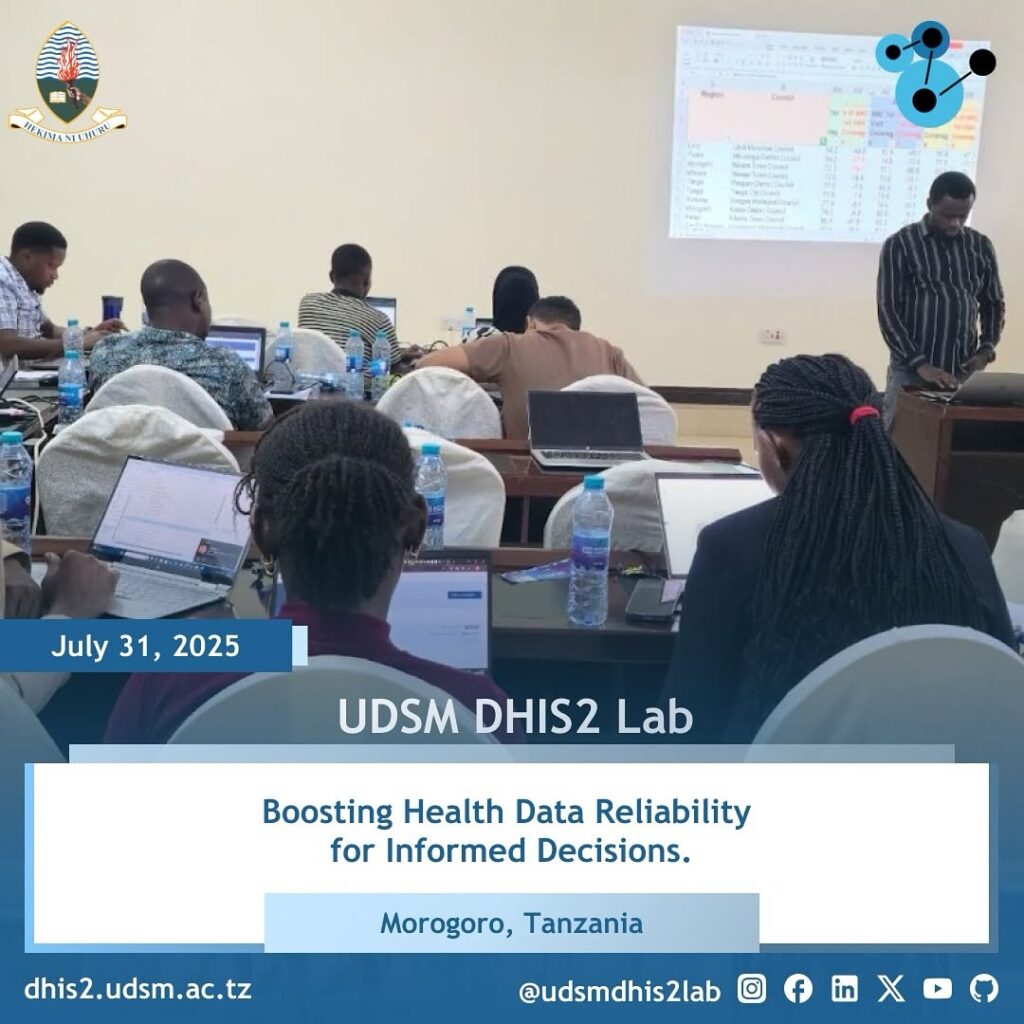
Accurate population data is essential for effective health sector planning and monitoring. In Tanzania, the recent working session brought together the Ministry of Health, National Bureau of Statistics, UDSM DHIS2 Lab, HISP Tanzania, and partners to align the DHIS2 Health Management Information System (HMIS) with the latest 2022 census-based population projections. This update replaces the […]
Improving Malaria Data Visibility to Drive Better Outcomes
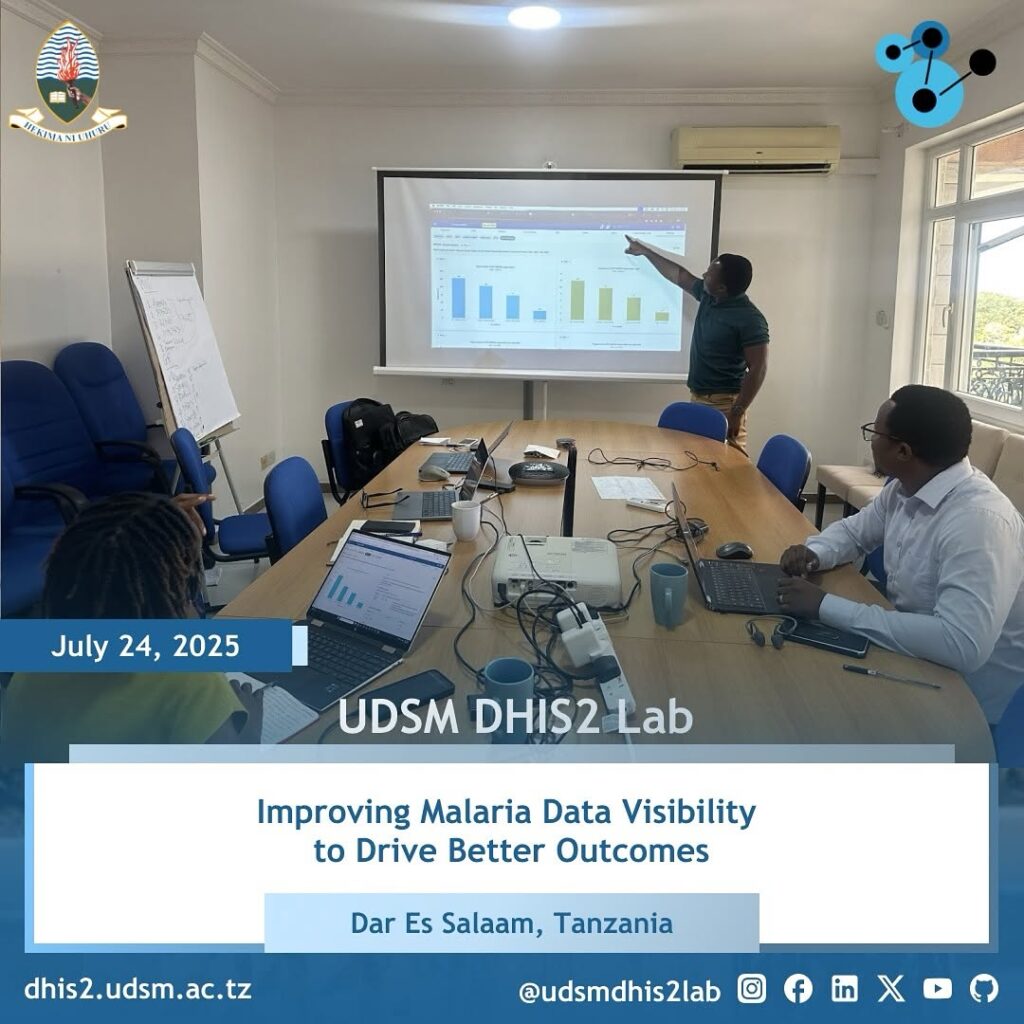
Quality and well-analysed data remain essential for monitoring malaria cases, deaths, and other relevant indicators to understand the disease burden, identify high-risk areas, and evaluate the effectiveness of interventions and services as countries intensify their efforts toward malaria elimination. In collaboration with Swiss TPH, we conducted a focused dashboard review session at the Swiss TPH […]
Strengthening RMNCAH Monitoring, Evaluation, Research and Learning Systems
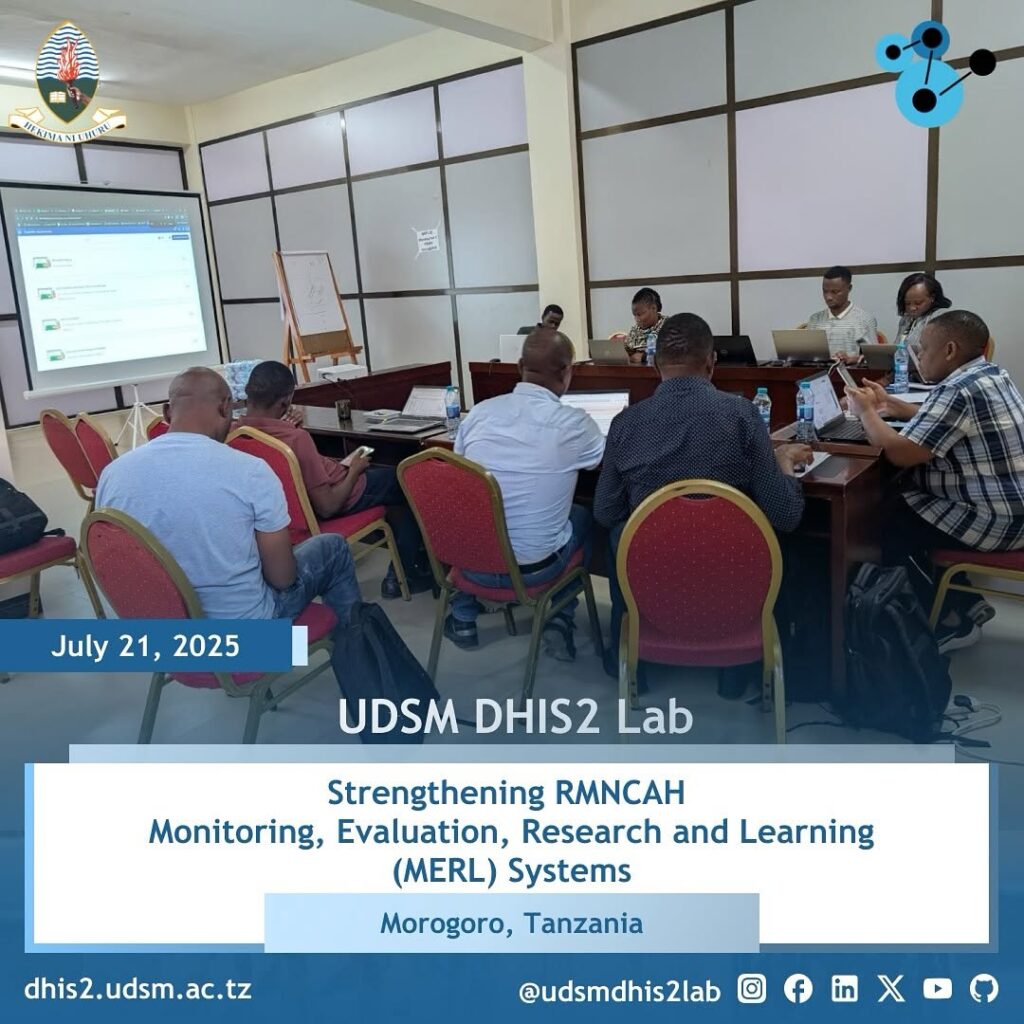
As Tanzania advances its commitment to improving RMNCAH outcomes, robust measurement and data systems are essential for guiding interventions, tracking progress, and ensuring accountability. Recently, the division of Maternal, Reproductive, and Child Health, in collaboration with Marie Stopes Tanzania and EngenderHealth Tanzania, convened a national RMNCAH MERL Technical Working Group session in Morogoro. The workshop […]
Unified Early Childhood Scorecard National Dashboard Integration
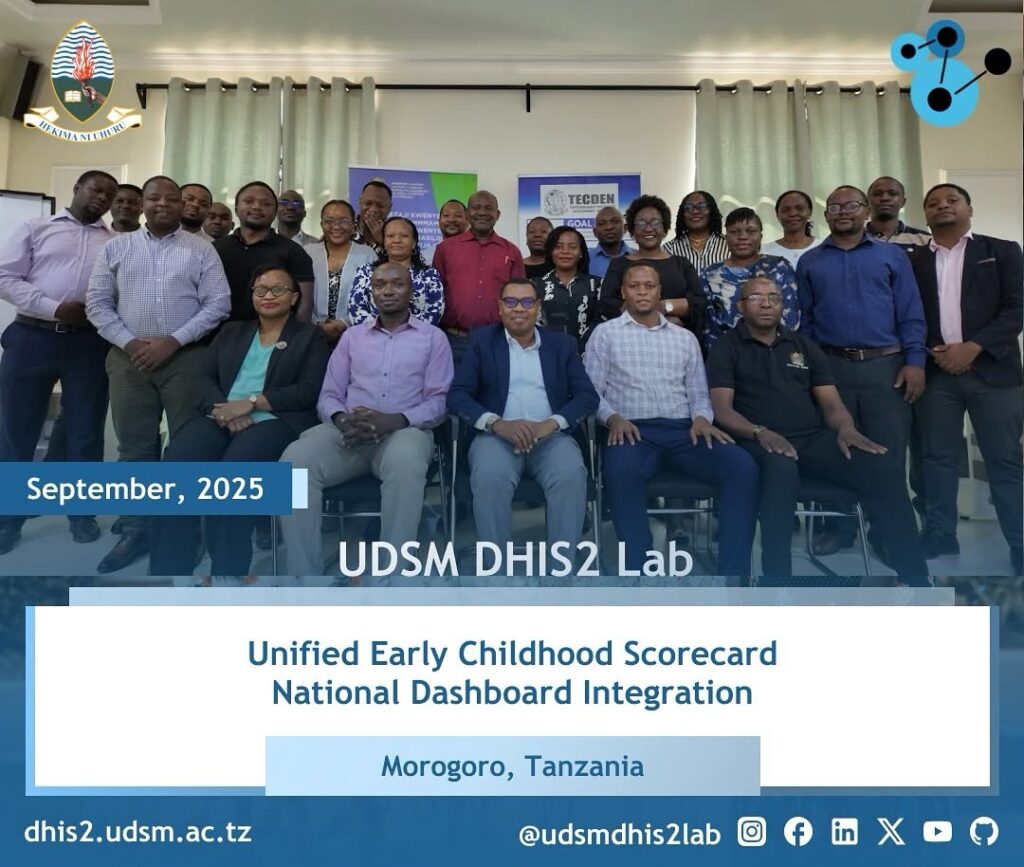
As countries work toward smarter, child-centered governance, integrating multi-sector data into a unified decision stream is no longer optional; it’s essential. The goal is clear: timely, reliable insights on early childhood development (ECD) that enable leaders to act early and allocate resources where they matter most. Over a focused, week-long technical sprint, government teams and […]
Building Tanzania’s Unified Health Situation Room
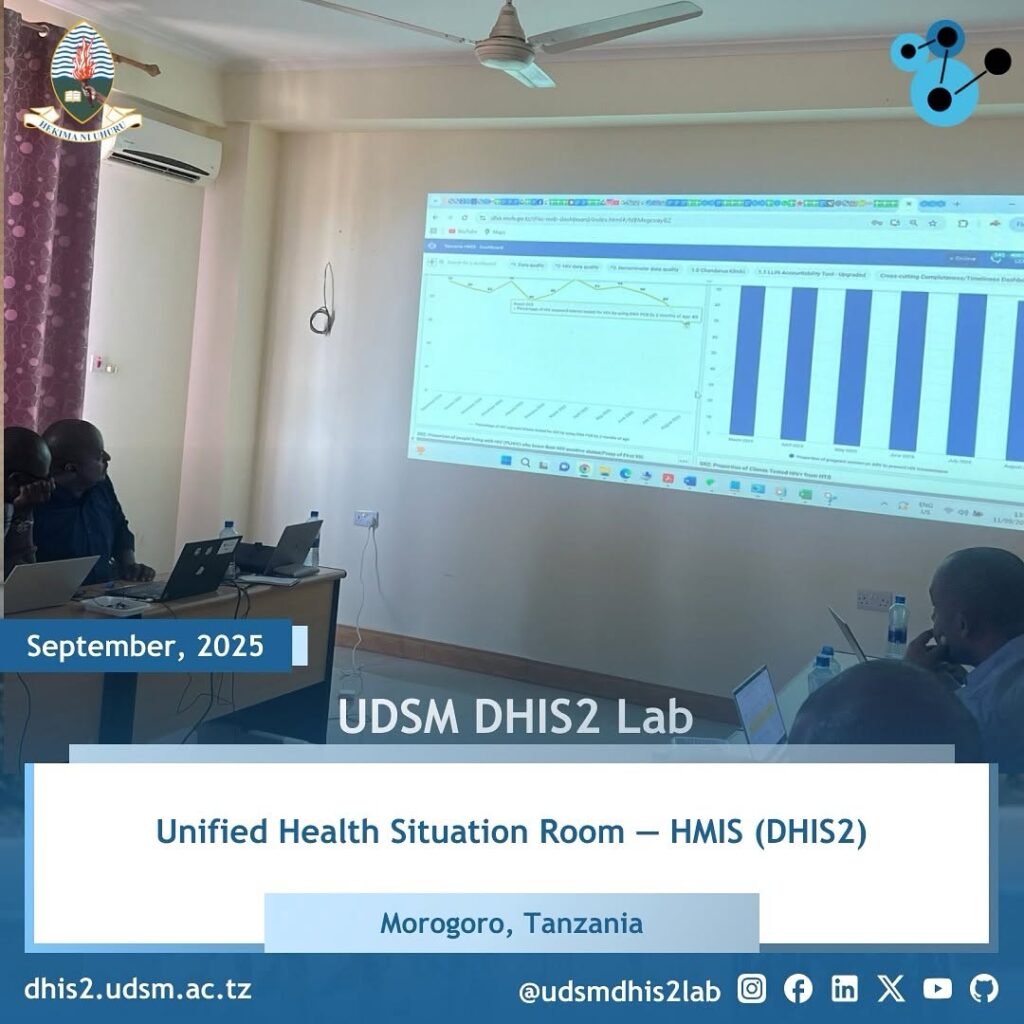
Tanzania is establishing a unified Health Situation Room (SR) where DHIS2, iMES, and GOTHOMIS systems work together to power weekly, data-driven decision reviews. The initiative aims to make routine health data more actionable, timely, and reliable for leaders at all levels. From 8–12 September 2025 in Morogoro, national stakeholders, including PORALG, the University of Dar […]